Published on
April 27, 2026
Share on
.svg)
.svg)
.svg)

.png)
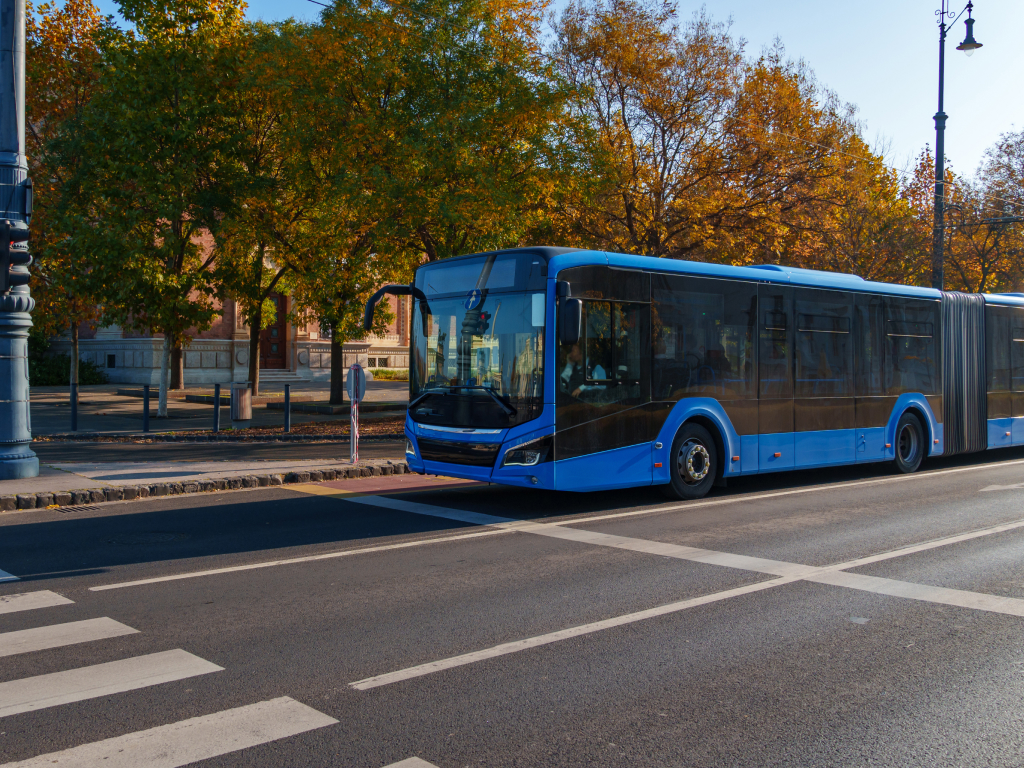
Rapid growth is a great problem to have, but it’s only a problem if your transportation system hasn’t been invited to the party. For many small or rural-edge cities, growth isn’t a distant possibility, it's already happening and may see these jurisdictions sitting behind the eight ball. The key is planning for a multimodal, interconnected transportation network before traffic, sprawl, and frustration take over, but understanding that might be easier said than done.
Here is a fun, practical guide, as well as a message to elected officials: investing in connectivity now is not just good planning: It’s smart politics.
For elected officials, the payoff is real: better mobility + economic development + happier, more satisfied constituents = fewer angry “why didn’t you plan this?” emails…not to mention, fewer angry constituents at city council meetings.
The following are six areas of the U.S. experiencing rapid growth, but already putting smart, multimodal planning into action. These are places that might feel more relatable to the average city than a major metropolis like, say, New York City or Tokyo or Copenhagen.
Boise’s regional transit agency, Valley Regional Transit (VRT), recently carried out a major bus network redesign. The new network, implemented in 2024, consolidates less-used routes, boosts frequency on key corridors, and improves cross-town connections. Notably, by listening to public feedback and re-investing in strong corridors, the redesign ended up increasing total service by about 14%.(Boise Dev) They’re also upgrading the State Street corridor, adding better bus stops, real-time arrival info, bike and pedestrian infrastructure, and even electric bus charging. (Valley Regional Transit)
Lesson for rural-edge cities: Making strides in public transportation doesn’t have to be over-complicated. Strategic bus redesign, better amenities, and increased frequency can go a long way.
Bend, a fast-growing city in Central Oregon surrounded by rural landscape, has a Transportation System Plan (TSP) that explicitly plans for multimodal growth through 2040, balancing cars, bikes, foot traffic, and transit. In its 2040 Master Plan, the regional transit agency (Cascades East Transit) has proposed mobility hubs, where local buses, bike paths, and rideshare all connect. Also, in 2026, Cascades East Transit will be implementing the CET-GO payment program that will streamline payment. (The Source)
Lesson: Even in a smaller, growing city, building mobility hubs and forward-thinking transit plans helps anticipate growth and gives residents real options.
Huntsville is booming, with population growth of nearly 16% over the last 5 years, and its transportation provider, “Orbit,” is working to keep pace. The city is applying for grants to modernize its bus fleet, including hybrid buses and electric paratransit vans. It’s also working toward electrifying more of its fleet, as well as rebuilding its central Church Street transit station to better accommodate future growth.(Axios) In 2024, Huntsville approved a contract to buy up to four new hybrid or diesel buses. (City of Huntsville)
Lesson: Targeted federal grants and sustainability upgrades can create support for a fast-growing city with eyes toward the technologies of the future.
Greenlink (Greenville’s public transit authority) is not just surviving, it’s gearing up for growth. In 2024, they opened a brand-new $50 million operations and maintenance facility that includes electric bus chargers. (GREENVILLE JOURNAL) With these new resources, their Transit Development Plan (TDP) includes expanding service: 19 proposed new routes, increased frequency (targeting 30-minute intervals), and longer hours. (Greenville County) They’ve also held “listening sessions” with riders so that growth in transit aligns with community needs. (Greenlink Transit)
Lesson: Community buy-in + capital investment + a clear TDP = a transit system that’s ready for the future.
The Northwest Arkansas Regional Planning Commission (NWARPC) and Ozark Regional Transit (ORT) are two of the most important players in the pursuit of helping Northwest Arkansas properly attack the transportation woes of a rapidly growing region. The presence of the University of Arkansas and its Razorback Transit also play a role in addressing the growing issue. In the final months of 2025, the NWAPRC has revealed a transportation plan incorporating bus rapid transit (BRT) into its existing plans.
Lesson: Even in one of the fastest-growing regions of the country, a unified approach to attacking transportation issues can create reasonable, cost-effective solutions.
The work Fort Collins and Transfort are putting in right now shows that transportation planning is being taken very seriously. Its draft City Plan/Transit Master Plan calls for new high-frequency bus routes, expanded mobility hubs, and a doubling of its fleet revenue service hours by 2040. (Fort Collins) While working toward becoming a true 15-minute city, they’re also planning to support regional transit, coordinating with nearby cities for commuter service, and seamless transfers. (Fort Collins)
Lesson: Long-term, coordinated planning that includes building regional partnerships allows for medium city scale transit affordably while targeting where growth is most likely to happen.
If you represent a growing city or county that still feels “rural,” you’ll want to keep these five points in mind:
Growth doesn’t have to mean gridlock. By learning from places like Boise, Bend, Huntsville, Greenville, Northwest Arkansas, and Fort Collins, cities and regions small and large can proactively build transit networks that connect people and allow for further growth that is conducive to healthy, continued growth. Those investments pay off not just in mobility, but in economic development, quality of life, and political capital.
Elected leaders: the best time to prepare was yesterday. The second-best time? Right now.


Ready to see Ordinal in action? Book some time with our team and we’ll show you just how valuable this could be for you and your staff.

We create innovative solutions that simplify complexities and empower success for communities everywhere.


Copyright 2025 - BreakGround Technologies


