Published on
December 3, 2025
Share on
.svg)
.svg)
.svg)

.png)
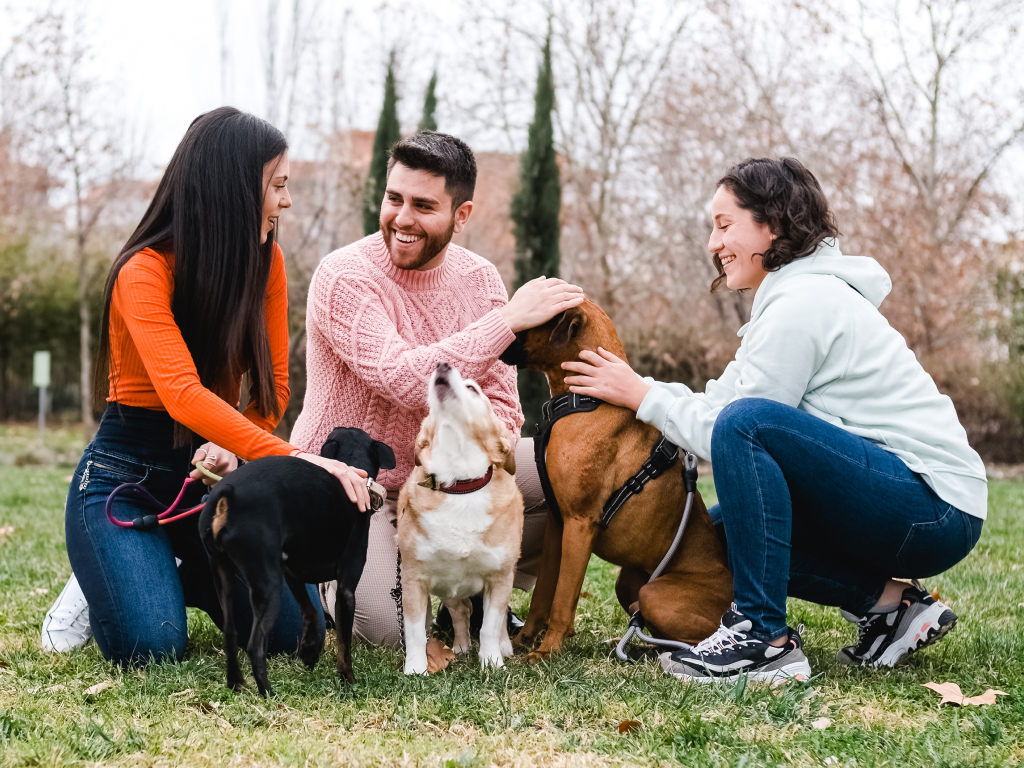
Imagine this: you’ve been cramming for a class or work training at the local library for hours. Your brain is roughly the consistency of warm oatmeal. Someone suggests a walk in the park. Great idea! You wander through the fresh air, re-inflate your lungs, and eventually settle into a nearby bar or café for a celebratory drink.
Without planning it—and certainly without thinking about urban sociology—you’ve just visited three different third places.
And unless you’re an urban planner (or friends with one, which often means you hear about this stuff whether you asked or not), you probably didn’t even realize it.
So what exactly is a “third place,” why do they matter, and how have they shaped our communities throughout history? Let’s take a stroll through the past, present, and future of these delightful social spaces.
Ray Oldenburg, who apparently had a much more productive 1989 than the rest of us, coined the term “third place” in his book The Great Good Place.
In short, a third place is:
➡️ Not your home (your “first” place, where your couch lives).
➡️ Not your workplace (your “second” place, where your inbox lives and multiplies).
➡️ But the places in between—the informal, accessible hangouts where community life unfolds.
Oldenburg described third places as places that are neutral, inclusive, conversation-friendly, low-stakes, and built around regulars and community life. Think:
Third places don’t require membership cards, tickets, fancy outfits, or a willingness to pretend you understand the wine list. They are the everyday places where community happens… casually, organically, joyfully.
For planners and city officials, these spaces are often the unsung heroes of community health. They support mental well-being, social trust, economic vitality, and even civic engagement—whether or not residents can actually define what a “third place” is.
(And honestly, most can’t. And that’s fine. Their benefit does not require vocabulary words.)
Third places aren’t a new trend dreamed up by consultants or something discovered in a TED Talk. They’ve been around as long as humans have needed somewhere to gather and argue about things. So basically forever.
Take Boston Common, for example. Nearly 350 years before Oldenburg’s book hit shelves, the townspeople of 17th-century Boston voted to purchase William Blackstone’s farm for the public good. At six schillings per household, this was possibly the first municipal crowdfunding campaign in American history.
That simple decision created what is widely recognized as the first public park in what would become the United States.
Over the centuries, Boston Common has hosted:
It is a quintessential third place—still doing exactly what third places have always done: connecting people to each other.
Across the world, markets, plazas, religious courtyards, tea houses, and town squares have historically served as third places long before we labeled them. The Greek agora, the English pub, the French café, the Jamaican street corner domino table—each stood the test of time because humans need spaces to gather.
In fact, if you think about your favorite travel memories, odds are they happened in a third place, not inside a cubicle or on your couch. (Unless your couch is really special.)
Fast-forward to today. Cities and towns across the U.S. are wrestling with housing shortages, evolving demographics, and shifting expectations for community life. Planners, elected officials, and local government staff are all navigating the same challenge: How do we build places where people actually want to spend time?
Fortunately, creating third places is something communities have been doing for centuries. And modern tools allow us to innovate in ways Oldenburg couldn’t have dreamed of.
For planners, these spaces are essential for strengthening neighborhood cohesion, supporting local businesses, creating safer and more vibrant public realms, encouraging walking, biking, and transit use, and offering “third spaces” for residents who lack them at home.
For the average resident, meanwhile, third places simply make life nicer. They give people somewhere to go, someone to talk to, and something to do that doesn’t involve staring at a screen or buying things they don’t need from Amazon.
Perhaps most importantly, third places are often where community members meet face-to-face—still the gold standard for building trust and belonging in an increasingly digital world. It wasn’t long ago that COVID-19 left many of us without third places, but it has only made us appreciate them more than ever.
Whether you’re a planner drafting your next comprehensive plan, a city council member wrestling with budgets, or just someone who appreciates a good cup of coffee on a sunny patio, third places are part of your life.
They are the living rooms of our communities—the settings where friendships form, connections strengthen, and civic life quietly (and sometimes loudly) unfolds.
And the best part?
You don’t need a degree in urban planning to enjoy them. You just need a place to go, people to see, and a community willing to invest in the simple joy of shared spaces.
So the next time you grab a book at the library, stroll through a park, or sip a drink at your favorite bar, take a moment to appreciate that you’re participating in something humans have been doing for centuries: finding your place in the world, one third place at a time.


Ready to see Ordinal in action? Book some time with our team and we’ll show you just how valuable this could be for you and your staff.

We create innovative solutions that simplify complexities and empower success for communities everywhere.


Copyright 2025 - BreakGround Technologies


